ATTENTION · DESIGN · ARTIFICIAL INTELLIGENCE
Designing intelligence
Understanding attention
Understanding attention
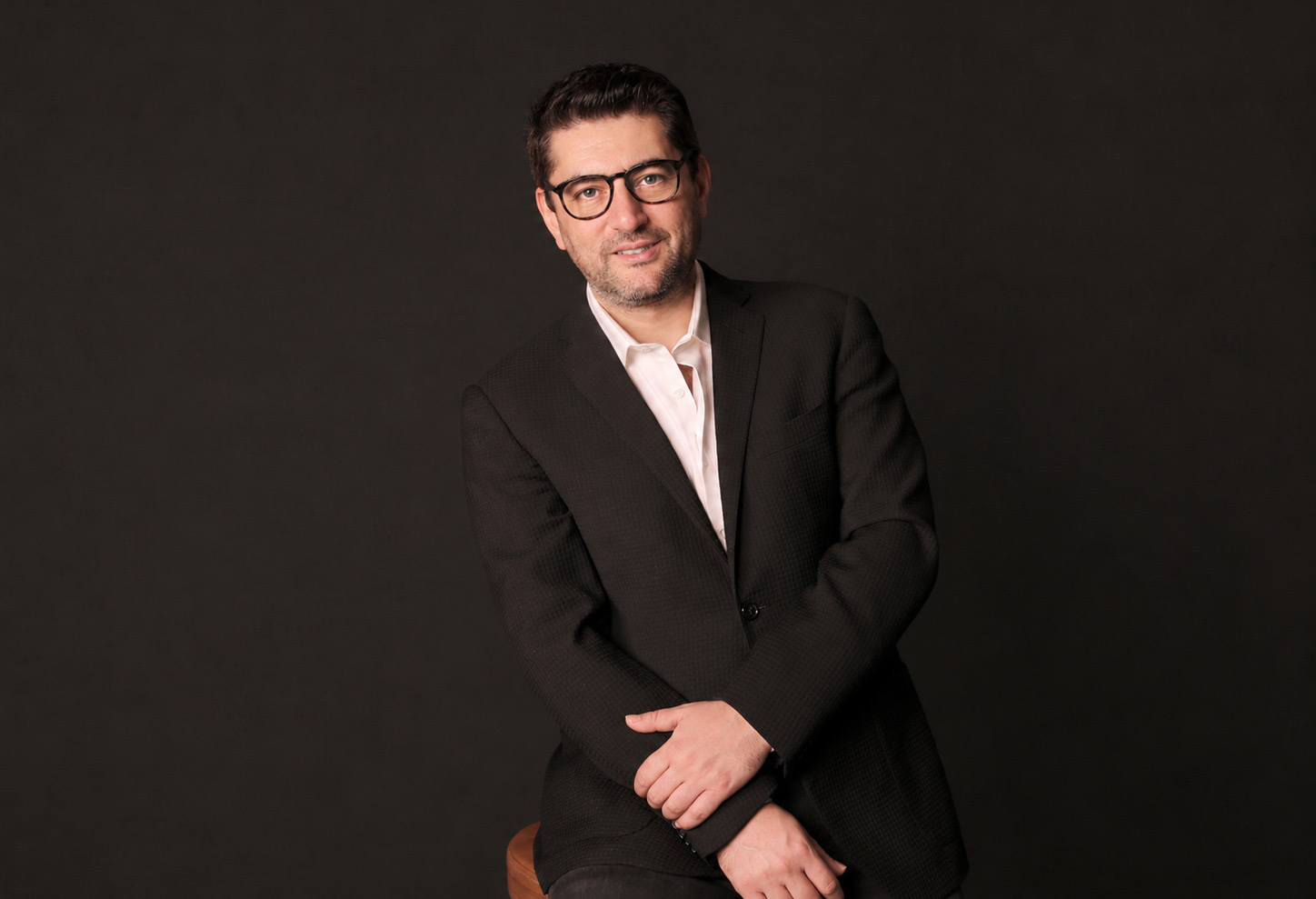
Dr. Serdar Şenel explores how people notice, interpret, and engage with the world, and how these processes are changing through artificial intelligence. A designer, researcher, and entrepreneur based in Türkiye, his work connects the attention economy, visual communication, institutional leadership, and the future of learning. Across research, creative practice, and technology initiatives, he examines a shared question: what makes an experience worthy of human attention?

Attention is a question of value
Artificial intelligence makes content easier to produce. It does not make attention easier to earn.As communication becomes more abundant, the ability to understand what people notice, what they overlook, and what they find meaningful becomes increasingly consequential. For brands, this shapes communication decisions. For educators, it shapes learning experiences. For institutions, it shapes how complex ideas reach the people they concern. Şenel’s work approaches attention as a relationship between visual form, context, and human perception. It asks how communication can earn attention and use it responsibly.
From the attention economy to Attention Intelligence
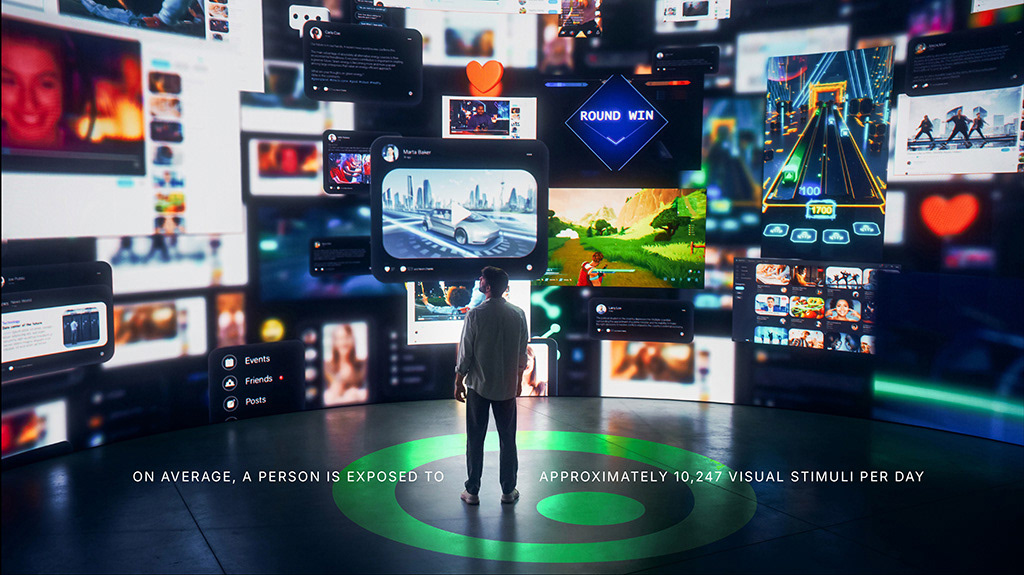
The attention economy describes the competition for a limited human resource. Attention Intelligence asks how that resource can be better understood when designing and evaluating communication.
Şenel’s doctoral research examined factors affecting the stopping power of advertising images on social media. This research provides the foundation for his work on Stopper and its Attention Intelligence methodology.
The approach brings visual design into dialogue with computational analysis and research methods such as eye tracking. It considers composition, hierarchy, typography, contrast, and negative space, while recognizing that being seen, being understood, and being remembered are different outcomes. The purpose is to make creative decisions more informed, while keeping human interpretation central.

Design shapes how ideas become understood
Before a message can persuade, people must be able to find their way through it. Design establishes relationships: between what appears first and what follows, between information and emotion, between an institution’s intentions and a person’s experience.
Drawing on more than two decades of work in design, advertising, film, and communication, Şenel examines design as a way of organizing meaning. His creative practice through Bestimage Group and VideoSanat grounds this perspective in the practical demands of making ideas work across media and organizations.

Artificial intelligence changes the conditions of communication
Generating more material is only one consequence of artificial intelligence. A deeper change concerns how organizations develop ideas, exercise judgment, and maintain a recognizable identity. When many organizations can access similar tools, distinction depends increasingly on the questions they ask, the choices they make, and the standards they uphold.
Şenel’s perspective on AI transformation connects technological capability with design judgment, brand identity, and institutional purpose. The central question is what an organization should become capable of doing, and why that capability matters.

Learning requires more than access to information
When answers become readily available, education must give greater attention to how people frame questions, evaluate evidence, and develop judgment. Şenel’s work across BAU Global and Future EdTech connects institutional experience with the development of AI-supported learning environments and digital platforms. This perspective places technology within the wider learning experience: how knowledge is encountered, how participation is encouraged, and how institutions help people make meaningful use of what they learn.

Bringing different perspectives into the same conversation
Artificial intelligence is being shaped across research laboratories, universities, companies, and creative industries. Each brings questions the others need to hear.
As Chair of the Future AI Summit Committee, Şenel contributes to a forum where these perspectives meet. This convening role complements his research and entrepreneurial practice, connecting discussion of emerging technology with the decisions facing institutions and society.

Ideas for the stage
Şenel’s keynote and panel contributions connect research on attention with the practical questions facing leaders in communication, design, technology, and education.
His speaking themes include:
The Attention Economy in the Age of AI: What becomes valuable when content is abundant.
Attention Intelligence: Understanding the difference between visibility, attention, and meaning.
Design as Judgment: Why creative direction matters as production becomes automated.
AI, Brands, and Institutional Identity: Building distinction when tools become widely accessible.
The Future of Learning: Developing human judgment in an environment of immediate answers.
Across these themes, the aim is to give audiences a clearer way to examine change and make decisions within it.

Speaking and dialogue
For keynote invitations, moderated conversations, research collaborations,
and institutional dialogue with Dr. Serdar Şenel:
and institutional dialogue with Dr. Serdar Şenel:
Thank you!